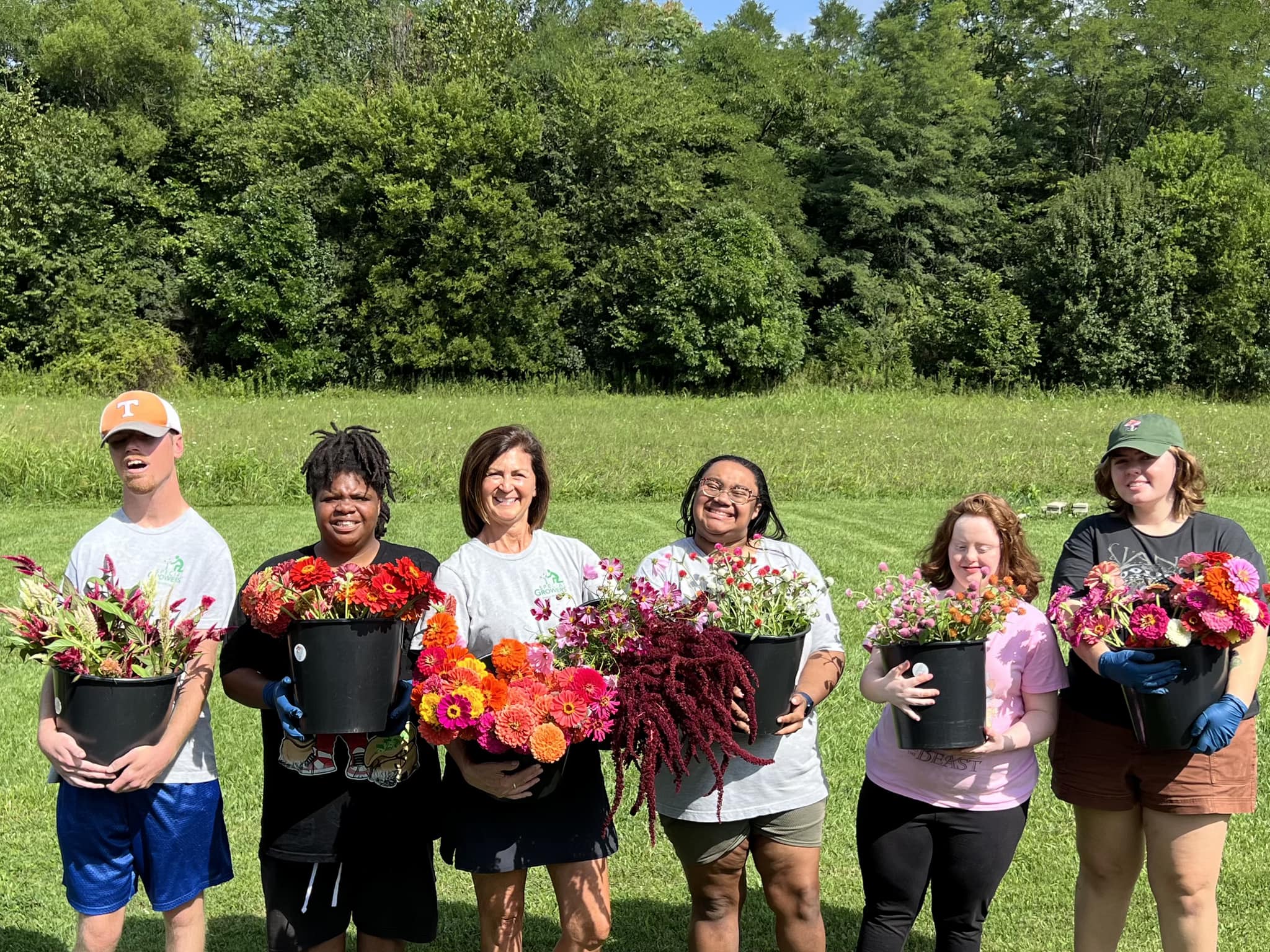
For many families of individuals with special needs, high school graduation brings a mix of celebration and deep anxiety. During the school years, structure, routines, and peer social networks are built directly into the daily schedule. But when the school bus stops coming, a phase often described as "the cliff" begins. Families are left asking a crucial question: What comes next?
Historically, options for adults with developmental and intellectual disabilities were limited to isolated day programs or repetitive tasks that lacked real-world purpose. Modern vocational training has rewritten this narrative. Today, effective vocational training is dynamic, community-centered, and deeply rooted in commerce. It shifts the focus entirely from what an individual cannot do to what they can achieve when given the right tools, environment, and encouragement.
Vocational training for adults with disabilities bridges the gap between structured schooling and true community integration. By looking closely at how these programs operate daily, we can understand how they build practical job skills, foster personal pride, and create a lasting sense of belonging.
Shifting From Charity to Capability
To understand modern vocational training, we must first change how we look at employment for adults with disabilities. High-quality training programs do not ask local businesses or neighbors for charity. Instead, they focus on preparing individuals to produce high-quality goods and services that meet real market demands.
When an individual realizes their work holds genuine commercial value—whether they are harvesting fresh herbs for a local restaurant, packaging artisanal products, or managing a community garden space—their entire outlook changes. They are no longer just passing the time; they are contributing directly to a team and a community.
This sense of capability forms the foundation of structured vocational training programs. Rather than shielding participants from the realities of the workplace, these initiatives introduce real responsibilities, high standards, and structured routines, all within a supportive and accessible framework.
The Core Pillars of a Vocational Curriculum
A successful vocational training program does not take a one-size-fits-all approach. It breaks down complex jobs into manageable, teachable steps while focusing on two distinct categories of development: technical skills (hard skills) and workplace behaviors (soft skills).
1. Technical and Hands-On Skills
Technical skills vary based on the industry the training program focuses on, such as agriculture, retail, food service, or manufacturing. In a horticulture-based program, for example, participants learn:
- Propagation and Planting: Handling delicate seeds, understanding planting depths, and tracking root health in greenhouses.
- Crop Maintenance: Mastering watering schedules, recognizing signs of plant stress, weeding systematically, and managing soil health.
- Commercial Harvesting: Using specialized tools safely, selecting produce at peak freshness, and following strict food-safety protocols.
- Packaging and Fulfillment: Sorting inventory by quality, weighing products accurately, and preparing orders for prompt delivery to commercial customers.
By masterfully handling these responsibilities, participants learn how a raw seed transforms into a finished product ready for purchase.
2. Soft Skills and Workplace Readiness
While technical abilities are vital, soft skills often determine long-term success in any work environment. Many individuals with developmental disabilities have the physical capacity to complete jobs but need targeted practice to navigate social and behavioral expectations. Vocational training places a heavy emphasis on:
- Punctuality and Routine: Learning to arrive on time, clock in independently, dress appropriately for the workday, and manage transitions between tasks and breaks.
- Following Multi-Step Instructions: Utilizing visual checklists, color-coded task boards, or simplified verbal cues to complete complex projects from start to finish with minimal supervision.
- Teamwork and Collaboration: Cooperating with peers to accomplish large goals, dividing workloads fairly, and learning how individual efforts impact the broader team’s success.
- Constructive Communication: Practicing how to ask for help when a tool breaks, reporting a completed task to a supervisor, and greeting customers or community visitors professionally.
Designing Spaces for Success
The physical layout of a training facility plays a massive role in a participant’s progress. Traditional work environments are often chaotic, loud, and unpredictable, which can overwhelm individuals with sensory processing challenges or anxiety. Vocational spaces are intentionally modified to maximize accessibility and minimize frustration.
Adaptive Layouts
In agricultural settings, traditional farming can be physically demanding and difficult for individuals with mobility challenges. Modern vocational farms solve this by using raised garden beds built to specific heights. This allows individuals who use wheelchairs or have trouble bending down to work comfortably alongside their peers. Tools are modified with ergonomic grips, lightweight materials, or bright color coding to assist those with physical or visual differences.
Visual Architecture
Clear organization reduces workplace anxiety. Tool sheds and workstations utilize shadow boards, where the exact shape of each tool is painted on the wall, showing exactly where items belong when clean-up time arrives. Visual schedules, step-by-step photographic guides, and color-coded pathways allow participants to navigate their environments confidently and independently.
Sensory Regulation
A well-designed vocational space accounts for sensory needs. If a workspace gets loud due to machinery or large groups, designated quiet zones or sensory break areas allow participants to step away, reset, and return to their tasks without feeling overwhelmed.
The Power of Agriculture as a Living Classroom
Many forward-thinking organizations choose horticulture and agriculture as their primary training grounds because nature offers an unparalleled setting for vocational growth. The garden acts as an objective, patient teacher. If a plant is not watered, it wilts; when it receives proper care, it thrives, blooms, and produces a harvest. This direct cause-and-effect loop teaches responsibility more clearly than any textbook or lecture ever could.
Agriculture also adapts naturally to changing skill levels. A participant who is new to the program might begin with a straightforward, highly visual task like pulling weeds or scooping soil into pots. As their confidence and fine motor skills improve, they can graduate to more delicate operations, like pruning mature herbs, transplanting fragile seedlings, or assembling floral arrangements for community markets.
Furthermore, working outdoors connects individuals to the natural rhythm of the changing seasons. This therapeutic connection significantly reduces workplace stress while promoting physical stamina, coordination, and general well-being.
Real Work, Real Value: Moving Beyond "Busywork"
To truly build independence, a training program must move past simulated environments. Practicing a task in an empty classroom feels completely different than executing that same task for a paying customer. True transformation happens when training intersects with real local commerce.
When participants know that the herbs they harvest in the morning will be served on a diner's plate by lunchtime, or that the hand-painted goods they create will be displayed at a local market, their sense of purpose skyrockets. They begin to see themselves not as recipients of aid, but as professional makers, growers, and producers.
This model changes the perspective of everyone involved, revealing how meaningful employment changes life for adults with disabilities in East Tennessee. It challenges outdated stereotypes and replaces them with a clear, undeniable demonstration of skill and value.
A Typical Day in a Vocational Program
To understand what vocational training looks like in practice, it helps to step into a typical morning routine.
The day begins with a team huddle. Supervisors, trainers, and participants gather to review the day's goals. Using visual aids, the group discusses the weather forecast, active customer orders, and individual shift assignments. This morning meeting grounds the team, outlines clear expectations, and gives everyone a chance to connect before diving into their responsibilities.
Once assignments are set, everyone moves to their designated stations. In the greenhouse, one team prepares soil beds and transplants seedlings. Out in the gardens, another group uses specialized clippers to harvest fresh mint, rosemary, or parsley, carefully placing the clippings into chilled bins to maintain freshness. Inside the workspace, a third team weighs the harvested herbs, packages them into custom containers, and applies tracking labels for local deliveries.
Throughout the shift, job coaches move quietly between stations. They do not do the work for the participants; instead, they offer gentle guidance, redirect focus when necessary, and celebrate milestones as they happen.
The shift wraps up with a structured clean-up routine. Tools are cleaned and returned to their designated slots, workspaces are swept, and the team gathers for a quick end-of-day wrap-up to highlight successes and talk about goals for the following morning.
The Crucial Role of Job Coaches and Volunteers
Independent execution is the ultimate goal of vocational training, but reaching that point requires a structured support system. Job coaches are professional mentors who understand both the mechanics of business operations and the unique learning profiles of the participants.
Instead of stepping in to take over when a participant struggles with a difficult task, a skilled job coach breaks the challenge down even further. If a trainee is having trouble weighing an item, the coach might introduce a simplified digital scale that flashes a green light when the target weight is hit. This supportive technique allows the participant to complete the job on their own.
Alongside professional staff, dedicated volunteers provide invaluable mentorship. By working side-by-side with trainees, volunteers offer natural opportunities for social interaction, friendship, and mutual understanding, enriching the workplace culture for everyone involved.
How Communities and Local Businesses Complete the Circle
Vocational training cannot succeed in a vacuum. A program can cultivate the most skilled workforce imaginable, but those skills need a welcoming community to truly shine. The broader local ecosystem must step up to complete the circle of integration.
This support often begins with local community partners, including area restaurants, grocery stores, boutique shops, and corporate sponsors who choose to source products directly from inclusive organizations. When a local chef buys their kitchen's herbs from a vocational farm, they aren't just buying fresh ingredients—they are investing in a proven model of human potential.
As these professional relationships grow, area employers often see firsthand how dependable, focused, and enthusiastic these workers are. This realization often opens doors to direct hiring opportunities, paving the way for participants to move into independent roles in corporate, retail, and hospitality environments across the region.
The Ripple Effect: Impact on Families and Caregivers
The positive outcomes of vocational training extend far beyond the individuals clocking into their shifts. There is a profound ripple effect that transforms entire households.
When an adult child with a disability transitions into a reliable, fulfilling work routine, their family experiences a welcome sense of stability. Parents and caregivers can step away from constant supervision, confident that their loved one is safe, valued, and growing in a professional environment. This reliable routine provides families with essential breathing room, reduces daily caregiving stress, and opens up new possibilities for balance at home.
More importantly, it replaces long-term worry about the future with genuine hope. Watching a loved one develop tangible skills, form lasting friendships, and take pride in an honest day’s work brings immense comfort, proving the deep, long-term benefits of supported employment programs for families.
                       [ Structured High School Programs ]
                                       │
                                       ▼
                       [ The "Cliff" (Post-Graduation) ]
                                       │
                                       ▼
                     [ Modern Vocational Training Farms ]
                                       │
            ┌──────────────────────────┴──────────────────────────┐
            ▼                                                     ▼
 [ Technical Hard Skills ]                             [ Workplace Soft Skills ]
  - Plant propagation                                   - Punctuality & routine
  - Harvesting & safety                                 - Team collaboration
  - Packaging & fulfillment                             - Constructive communication
            │                                                     │
            └──────────────────────────┬──────────────────────────┘
                                       ▼
                        [ Community & Local Commerce ]
              - High-quality products sold to local chefs
              - Challenges stereotypes via visible capability
                                       │
                                       ▼
                        [ Long-Term Independence ]
              - Enhanced self-esteem & financial dignity
              - Extended support network & caregiver relief
Key Elements of Leading Vocational Programs
If you are exploring vocational options for an adult family member or looking to support local initiatives, keep an eye out for these defining traits of successful programs:
Looking Ahead: The Future of Inclusive Workplaces
As we look further into the future, the concept of vocational training continues to evolve. Progressive programs are constantly finding innovative ways to expand their reach, utilizing assistive technology, digital learning tools, and creative eco-friendly practices to open up even more professional avenues for their workforce.
The goal is to create a society where inclusive workplaces are the standard rather than the exception. By demonstrating that adults with disabilities can manage complex operational roles, handle logistics, and maintain commercial spaces, these initiatives are actively reshaping the modern workforce.
For those who want to build a career in this rewarding field, pursuing careers in supportive environments offers a unique opportunity to mentor talented individuals, design accessible systems, and champion true community inclusion from the ground up.
Conclusion: Empowering Individuals, Strengthening Communities
Vocational training for adults with disabilities is far more than a simple alternative to traditional day programs. It is an intentional, life-changing pathway that fosters personal dignity, financial pride, and genuine autonomy. By combining structured daily routines, custom learning environments, and real-world commercial goals, these programs empower individuals to discover their true capabilities and step into their potential.
The true success of these initiatives shows up in the everyday moments: the focused pride of a worker perfectly sealing an order, the shared laughter between a trainee and a community volunteer, and the quiet relief of a parent seeing their child thrive in a career they love.
When we invest in vocational training, we aren't just supporting an individual worker. We are helping build a more compassionate, collaborative, and complete community—one harvest, one project, and one meaningful job opportunity at a time.