For adults with disabilities, independence is about much more than living on their own or earning a paycheck. It means having the opportunity to make choices, contribute to the community, develop meaningful relationships, and build confidence through purposeful experiences. One of the most effective ways to foster this independence is through community-based work programs.
Community-based work programs provide adults with disabilities the opportunity to develop practical skills, establish routines, interact with others, and participate in meaningful work within supportive environments. Rather than focusing solely on employment outcomes, these programs emphasize personal growth, skill development, confidence, and long-term success.
Across the country, nonprofit organizations, vocational training centers, social enterprises, and community programs are helping adults with disabilities gain valuable work experience while creating pathways toward greater independence. Families, caregivers, employers, and local communities all benefit when individuals are empowered to reach their full potential.
This article explores how community-based work programs help adults with disabilities build independence, improve their quality of life, and become active participants in their communities.
Understanding Community-Based Work Programs
Community-based work programs are structured employment or vocational experiences that allow adults with disabilities to participate in real work activities within supportive settings. Unlike traditional classroom instruction, these programs focus on hands-on learning and practical skill development.
Depending on the organization, participants may work in areas such as:
- Gardening and horticulture
- Greenhouse operations
- Packaging and product preparation
- Retail support
- Community events
- Administrative assistance
- Light manufacturing
- Food preparation
- Customer service
- Maintenance and facility support
These activities are designed to match participants' abilities while encouraging continuous learning and personal development. The emphasis is on helping individuals succeed by providing appropriate support, coaching, and opportunities to develop new skills over time.
Why Independence Matters for Adults With Disabilities
Independence means something different for every individual. For one person, independence may involve learning to complete work assignments without assistance. For another, it may mean communicating with coworkers more confidently or developing the ability to follow a daily schedule independently.
Community-based work programs recognize that independence develops gradually through consistent practice and positive experiences. As participants build skills, they often become more comfortable making decisions, solving problems, and taking responsibility for their work. These accomplishments contribute to increased confidence that carries into many aspects of daily life.
Families often notice improvements in areas such as:
- Decision-making
- Personal responsibility
- Communication
- Social interaction
- Organization
- Self-advocacy
- Daily living skills
These changes help individuals become more active participants in their homes and communities.
Developing Practical Job Skills
One of the primary goals of community-based work programs is teaching practical skills that can be applied in real workplaces. Participants learn by doing rather than simply observing.
Examples of workplace skills include:
Time Management
Arriving on time, following schedules, completing tasks within expected timeframes, and managing breaks all help establish positive workplace habits.
Task Completion
Participants learn how to start projects, follow instructions, stay focused, and complete assignments successfully.
Communication
Work environments naturally encourage communication with supervisors, coworkers, volunteers, and customers. Participants practice asking questions, requesting assistance, giving updates, and following verbal instructions.
Teamwork
Working alongside others teaches collaboration, cooperation, and mutual respect. Participants learn how individual contributions support larger team goals.
Problem Solving
Unexpected situations occur in every workplace. Community-based programs provide opportunities to develop critical thinking and flexibility while receiving supportive guidance. These foundational skills remain valuable regardless of future employment opportunities.
Building Confidence Through Meaningful Work
Confidence grows through accomplishment. Adults with disabilities often thrive when given opportunities to contribute in meaningful ways. Completing tasks, seeing finished projects, helping customers, caring for plants, or supporting community events all provide tangible evidence that participants are making a difference.
Each successful experience reinforces the belief that they are capable individuals with valuable abilities. This confidence often extends beyond the workplace.
Families frequently observe participants becoming more willing to try new experiences, speak up in conversations, and take on new responsibilities. These positive changes contribute significantly to greater independence, demonstrating why job opportunities for adults with disabilities matter beyond the paycheck.
Creating Consistent Daily Routines
Routine provides stability, predictability, and purpose. Many adults with disabilities benefit from structured schedules that encourage healthy habits and personal responsibility.
Community-based work programs often include:
- Consistent arrival times
- Assigned responsibilities
- Scheduled breaks
- Team meetings
- Daily objectives
- End-of-day reviews
Following regular routines helps participants develop organizational skills while reducing anxiety associated with uncertainty. As routines become familiar, individuals often require less support to complete daily activities. Families also appreciate the consistency these programs provide, helping create smoother transitions between home and work environments.
Encouraging Social Interaction
Social development is an essential component of independence. Community-based work programs naturally create opportunities for participants to interact with a variety of people, including coworkers, supervisors, volunteers, customers, and visitors.
Regular communication helps participants develop stronger interpersonal skills while building confidence in social settings. Many adults with disabilities experience increased comfort initiating conversations, asking for assistance, and participating in group discussions after joining community work programs. These improvements often enhance relationships outside the workplace as well.
Teaching Responsibility and Accountability
Responsibility develops through consistent expectations and meaningful participation. Participants learn that their contributions matter.
Examples include watering plants correctly, completing customer orders, maintaining work areas, and supporting fellow team members. Learning that others depend on their work encourages accountability.
Families often notice participants taking greater responsibility at home as well, including completing household tasks, organizing personal belongings, and following daily routines more independently.
Improving Communication Skills
Effective communication supports success in nearly every aspect of life. Community work settings encourage participants to practice both verbal and nonverbal communication throughout the day.
As communication skills improve, individuals become more confident advocating for themselves and participating in community life. For those looking to take the next step toward independence, reviewing available employment opportunities is an excellent way to start applying these emerging skills in a structured setting.
Increasing Community Inclusion
Community inclusion means creating opportunities for people with disabilities to actively participate alongside others rather than remaining isolated. Community-based work programs encourage participants to engage with local residents, businesses, volunteers, and organizations through meaningful work.
Whether assisting with gardening projects, selling locally produced products, participating in farmers markets, or helping during community events like HarvestFest, participants become visible contributors within their communities. These interactions help challenge stereotypes while promoting greater understanding and acceptance. Inclusive communities benefit everyone.
Strengthening Decision-Making Skills
Making choices is an important part of independence. Community-based programs encourage participants to make decisions throughout the workday, such as selecting appropriate tools, prioritizing tasks, and organizing workspaces.
Supported decision-making helps individuals become more comfortable exercising independence while still receiving guidance when needed. Over time, participants often demonstrate increased confidence making decisions in both personal and professional settings.
Supporting Emotional Well-Being
Meaningful work contributes significantly to emotional health. When adults with disabilities feel valued and productive, they often experience greater self-esteem, reduced anxiety, and a stronger sense of purpose.
Having responsibilities and contributing to meaningful projects helps individuals recognize their value within the community. This emotional growth strengthens resilience and supports long-term personal development. Families frequently report noticeable improvements in overall happiness after participants become involved in structured work programs.
Encouraging Lifelong Learning
Learning does not end after school. Community-based work programs encourage continuous skill development throughout adulthood. Participants regularly encounter new tasks, new equipment, changing responsibilities, and opportunities to expand their abilities.
This ongoing learning keeps participants engaged while promoting adaptability and personal growth.
Building Transferable Skills for Future Employment
Even when participants remain in supported work environments, the skills they develop can prepare them for additional employment opportunities. Transferable workplace skills like dependability, punctuality, teamwork, and task completion are valuable across numerous industries.
Community-based work programs often serve as important stepping stones toward greater workforce participation. For those ready to enter a supportive, growth-oriented environment, submitting a job application can open the door to true vocational advancement.
Supporting Families Along the Journey
Families play a vital role in helping adults with disabilities succeed. Community-based work programs create partnerships between participants, staff members, and caregivers.
As participants become more independent, families often experience reduced caregiving stress, greater optimism about the future, and improved quality of life. Seeing meaningful progress provides reassurance that individuals are developing skills that will benefit them throughout adulthood.
The Role of Gardening and Horticulture Programs
Many community-based organizations use gardening and horticulture as vocational training opportunities because they naturally combine physical activity, teamwork, responsibility, and visible accomplishments.
Participants may assist with:
- Planting flowers and herbs
- Watering gardens
- Harvesting produce
- Maintaining greenhouses
- Preparing products for sale
- Caring for outdoor spaces
These activities teach patience, attention to detail, consistency, and teamwork while connecting participants with nature. Gardening programs also create products that support nonprofit missions through community sales and fundraising initiatives, allowing participants to see the direct impact of their work.
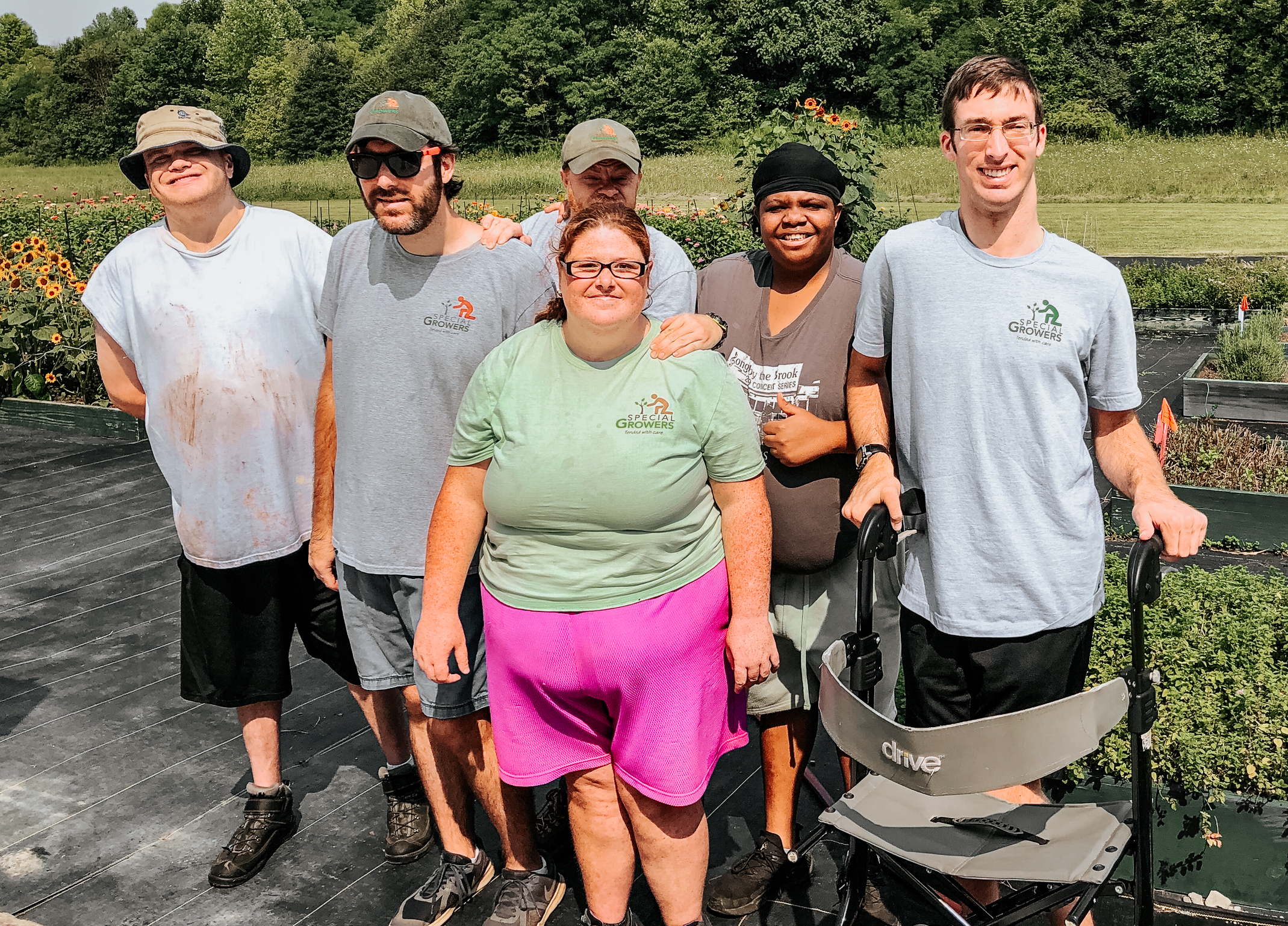
Organizations such as Special Growers demonstrate how horticulture-based vocational programs can create meaningful opportunities for adults with disabilities while strengthening local communities through education, volunteer involvement, and mission-driven products. These programs show that meaningful work extends beyond employment—it builds confidence, independence, and lasting community connections.
Community Partnerships Expand Opportunities
Successful community-based work programs often collaborate with local businesses, schools, churches, and civic organizations. These partnerships create additional opportunities for participants while increasing community awareness about disability inclusion.
Dedicated volunteers and local organizations help strengthen programs through mentorship, fundraising, educational events, and collaborative projects. The result is a stronger support network that benefits participants and families alike.
Long-Term Benefits of Community-Based Work Programs
The impact of these programs extends far beyond immediate job training. Long-term benefits often include:
- Greater independence
- Improved communication
- Increased confidence
- Enhanced workplace readiness
- Better social skills
- Stronger emotional well-being
- Expanded community participation
- Lifelong friendships
- Greater family confidence
- Improved overall quality of life
These outcomes continue to benefit participants long after they complete individual work assignments.
Conclusion
Community-based work programs provide far more than vocational training. They create environments where adults with disabilities can develop confidence, build practical skills, establish meaningful routines, and become active contributors to their communities.
Through hands-on experiences, supportive coaching, and opportunities for personal growth, participants gain the tools needed to become more independent in every aspect of life. Families benefit from reduced caregiving stress, increased optimism, and the joy of watching their loved ones reach new milestones.
As communities continue investing in inclusive work programs, they help create a future where adults with disabilities are recognized not for their limitations, but for their abilities, contributions, and potential. Community-based work programs build stronger individuals, stronger families, and stronger communities—one meaningful opportunity at a time.