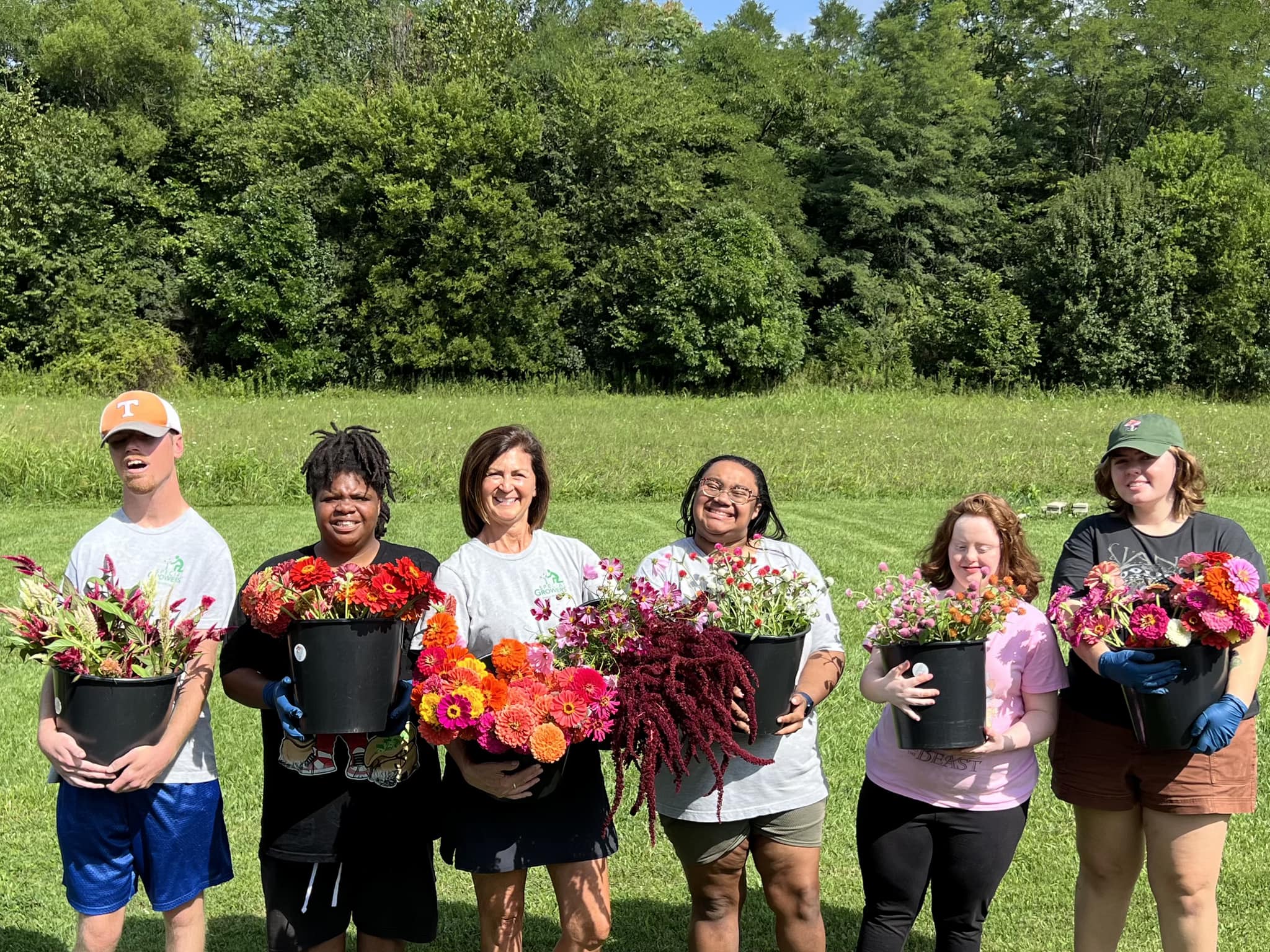
For many people, a job is often viewed primarily as a source of income. While earning a paycheck is certainly important, employment provides much more than financial benefits. A job can create purpose, confidence, independence, friendships, routine, and a stronger connection to the community.
For adults with disabilities, meaningful employment can be life-changing in ways that extend far beyond wages earned each week. Employment opportunities provide pathways to personal growth, skill development, social inclusion, and greater self-determination. They help individuals build confidence, establish routines, and contribute their talents in meaningful ways.
Unfortunately, many adults with disabilities continue to face barriers when seeking employment opportunities. Despite having valuable skills, talents, and a desire to work, they often encounter limited options, misconceptions about their abilities, transportation challenges, or a lack of supportive programs.
As communities across East Tennessee and beyond continue to focus on inclusion, understanding the broader value of employment becomes increasingly important. Job opportunities are not simply about economic participation. They are about dignity, belonging, personal achievement, and creating a future where every individual has the chance to contribute and thrive.
Employment Creates a Sense of Purpose
One of the most significant benefits of employment is purpose.
Every person wants to feel that their contributions matter. Work provides a reason to get up each morning, accomplish goals, and participate in something larger than oneself.
For adults with disabilities, meaningful work can provide:
- A sense of responsibility
- Daily goals and achievements
- Opportunities to contribute
- Pride in completed tasks
- Recognition for accomplishments
- Increased motivation
Purpose is closely connected to emotional well-being. When people feel needed and valued, they are more likely to experience confidence, optimism, and satisfaction in daily life.
A paycheck may last for a week or two, but the sense of purpose created through meaningful employment can have a lasting impact on self-esteem and personal growth.
Work Helps Build Confidence
Confidence is often developed through experience.
When adults with disabilities are given opportunities to learn new skills, solve problems, complete tasks, and contribute to a team, they begin to see what they are capable of achieving.
Employment creates countless opportunities for success, including:
- Learning a new skill
- Completing a project
- Meeting workplace expectations
- Helping customers
- Working independently
- Contributing to team goals
Each accomplishment reinforces confidence.
Over time, individuals who may have doubted their abilities begin to recognize their strengths and become more willing to take on new challenges.
Confidence gained through employment often extends into other areas of life, including social situations, personal relationships, community involvement, and independent living.
Meaningful Work Promotes Independence
Independence is one of the most important goals for many adults with disabilities and their families.
Employment helps individuals develop habits and skills that support greater self-sufficiency.
Work environments encourage people to practice:
- Time management
- Communication
- Responsibility
- Problem-solving
- Following schedules
- Completing tasks independently
- Decision-making
These skills are valuable both inside and outside the workplace.
For example, learning to arrive on time for work may also improve an individual's ability to manage appointments and community activities. Developing communication skills at work can strengthen relationships at home and in social settings.
Meaningful employment creates opportunities for adults with disabilities to gain confidence in their abilities while increasing their level of independence over time.
Social Connections Matter
One often overlooked benefit of employment is the opportunity for social interaction.
Adults with disabilities can sometimes experience social isolation, particularly after leaving school-based programs. Employment helps create regular opportunities to connect with coworkers, volunteers, supervisors, customers, and community members.
These interactions can lead to:
- Friendships
- Professional relationships
- Improved communication skills
- Greater confidence in social settings
- A stronger sense of belonging
Humans are social by nature. Having positive interactions with others contributes significantly to emotional health and overall quality of life.
Workplaces that encourage teamwork and inclusion can help adults with disabilities build meaningful relationships that enrich their lives far beyond the job itself.
Employment Strengthens Mental and Emotional Well-Being
Mental health and emotional well-being are closely connected to having meaningful activities and goals.
Without opportunities for engagement and contribution, many individuals may experience feelings of boredom, frustration, loneliness, or discouragement.
Meaningful employment can help support emotional wellness by providing:
- Structure
- Accomplishment
- Routine
- Social interaction
- Personal growth
- Community involvement
Work gives people the opportunity to focus on what they can do rather than on their limitations.
The sense of achievement that comes from completing tasks and contributing to a team can improve mood, increase motivation, and support overall emotional resilience.
The Importance of Routine and Structure
Routine plays a critical role in many people's lives, particularly for adults with disabilities.
Having a predictable schedule can reduce stress and provide stability.
Employment naturally creates structure through:
- Scheduled workdays
- Daily responsibilities
- Team expectations
- Goal setting
- Consistent activities
A structured routine helps individuals develop healthy habits and maintain engagement in daily life.
For many adults with disabilities, employment provides a framework that supports productivity, independence, and personal growth.
Without meaningful activities, it can be difficult to maintain motivation and momentum. Work helps create a positive rhythm that supports long-term well-being.
Employment Encourages Skill Development
Every job offers opportunities to learn.
Whether someone is working in a garden, greenhouse, office, retail environment, or community organization, employment provides valuable experiences that build skills over time.
These skills may include:
Technical Skills
- Gardening
- Horticulture
- Packaging
- Inventory management
- Customer service
- Equipment use
Soft Skills
- Communication
- Teamwork
- Problem-solving
- Adaptability
- Time management
- Leadership
Many of these abilities continue developing throughout a person's life.
The more opportunities individuals have to practice and refine these skills, the more confident and capable they become.
Employment Supports Community Inclusion
Inclusive communities are stronger communities.
When adults with disabilities participate in the workforce, they become visible contributors to local businesses, nonprofit organizations, and community initiatives.
This visibility helps break down misconceptions and encourages greater understanding among community members.
Employment allows people with disabilities to:
- Share their talents
- Demonstrate their abilities
- Build relationships
- Participate actively in community life
At the same time, coworkers and customers gain valuable opportunities to interact with individuals from diverse backgrounds and experiences.
Inclusion benefits everyone.
Communities become more compassionate, informed, and connected when all individuals have opportunities to contribute.
Families Benefit Too
The impact of meaningful employment extends beyond the individual.
Families often experience significant benefits when their loved one gains access to meaningful work opportunities.
Parents and caregivers frequently report:
- Increased optimism about the future
- Reduced stress
- Greater confidence in their loved one's abilities
- Improved family relationships
- Enhanced quality of life
Many families spend years advocating for opportunities after their loved one leaves school.
Finding a supportive employment environment can provide reassurance that their family member is continuing to learn, grow, and participate meaningfully in the community.
Employment can help create a more positive and hopeful outlook for the entire family.
Breaking Down Barriers and Misconceptions
One of the greatest challenges facing adults with disabilities is the persistence of outdated assumptions about their capabilities.
Many people underestimate what individuals with disabilities can achieve when given the right support and opportunities.
In reality, adults with disabilities often demonstrate strengths such as:
- Reliability
- Consistency
- Dedication
- Attention to detail
- Strong work ethic
- Commitment to routine
Employers and community organizations that embrace inclusion frequently discover that individuals with disabilities make valuable contributions to their teams.
Creating more opportunities helps shift the conversation from limitations to potential.
As communities witness success stories, perceptions begin to change, leading to greater acceptance and expanded opportunities for future generations.
Why Supportive Work Environments Matter
A supportive workplace can make all the difference.
Successful employment programs recognize that every individual has unique strengths, learning styles, and support needs.
Supportive environments often include:
- Clear expectations
- Patient instruction
- Positive reinforcement
- Consistent routines
- Opportunities for growth
- Inclusive team cultures
When individuals feel supported and respected, they are more likely to succeed and reach their full potential.
Organizations that prioritize inclusion often see benefits not only for employees with disabilities but for their entire workforce.
Positive workplace cultures tend to foster collaboration, empathy, and stronger team relationships.
The Role of Vocational Programs
Vocational programs play a critical role in helping adults with disabilities prepare for and succeed in employment.
These programs provide opportunities to develop skills in real-world settings while building confidence and experience.
Many vocational programs focus on hands-on learning through activities such as:
- Gardening
- Greenhouse operations
- Floral preparation
- Product packaging
- Community events
- Customer interaction
For adults seeking supportive opportunities to build workplace skills and independence, specialized programs for adults with disabilities can provide meaningful pathways toward long-term personal and professional growth.
These experiences help bridge the gap between education and employment while creating opportunities for lifelong learning.
Gardening and Horticulture as Meaningful Employment
Agricultural and horticultural programs offer unique benefits for adults with disabilities.
Working with plants provides opportunities for:
- Physical activity
- Sensory engagement
- Routine
- Teamwork
- Skill development
- Visible accomplishment
Gardening also creates a strong sense of connection between effort and outcome.
Individuals can see the results of their work through:
- Growing plants
- Harvesting herbs
- Preparing flowers
- Maintaining gardens
- Supporting community events
These visible successes reinforce confidence and provide a sense of achievement that extends beyond financial compensation.
Businesses Have an Important Role to Play
Employers across East Tennessee have opportunities to help create more inclusive communities through disability employment initiatives.
Businesses can contribute by:
- Hiring adults with disabilities
- Partnering with nonprofit organizations
- Sponsoring vocational programs
- Supporting community events
- Encouraging volunteer involvement
Inclusive employment benefits businesses as well.
Companies that embrace diversity often experience:
- Stronger workplace culture
- Enhanced community reputation
- Increased employee engagement
- Broader perspectives
- Improved social impact
Creating opportunities for adults with disabilities is not only the right thing to do—it is also beneficial for organizations seeking to build stronger, more inclusive teams.
The Economic Benefits Are Only Part of the Story
Employment certainly contributes to financial stability.
Income can help individuals gain greater independence and participate more fully in their communities.
However, focusing solely on wages overlooks the broader value that employment creates.
Beyond the paycheck, meaningful employment provides:
- Confidence
- Purpose
- Relationships
- Independence
- Growth
- Inclusion
- Community engagement
- Emotional well-being
These outcomes often have a greater impact on long-term quality of life than income alone.
When adults with disabilities are empowered to contribute meaningfully, everyone benefits.
Building a More Inclusive Future
The future of disability employment depends on continued collaboration among:
- Nonprofits
- Families
- Businesses
- Educators
- Volunteers
- Community leaders
Together, these groups can help create environments where adults with disabilities have access to meaningful opportunities that support personal growth and community involvement.
This requires ongoing commitment to:
- Inclusion
- Accessibility
- Vocational training
- Community partnerships
- Employment opportunities
Every effort helps create a future where individuals are valued for their abilities and contributions rather than defined by their challenges.
Conclusion
Job opportunities for adults with disabilities matter for countless reasons that extend far beyond a paycheck.
Employment creates purpose, confidence, independence, structure, social connection, and personal growth. It provides opportunities for individuals to develop skills, contribute to their communities, and build meaningful relationships.
For families, employment offers hope and reassurance. For businesses, it creates stronger and more inclusive workplaces. For communities, it fosters understanding, compassion, and greater participation from all members.
Meaningful employment is not simply about earning income. It is about dignity, belonging, and creating opportunities for adults with disabilities to reach their full potential.
As East Tennessee continues to embrace inclusion and community engagement, expanding access to meaningful employment opportunities will remain one of the most powerful ways to support adults with disabilities and strengthen the communities we all share.