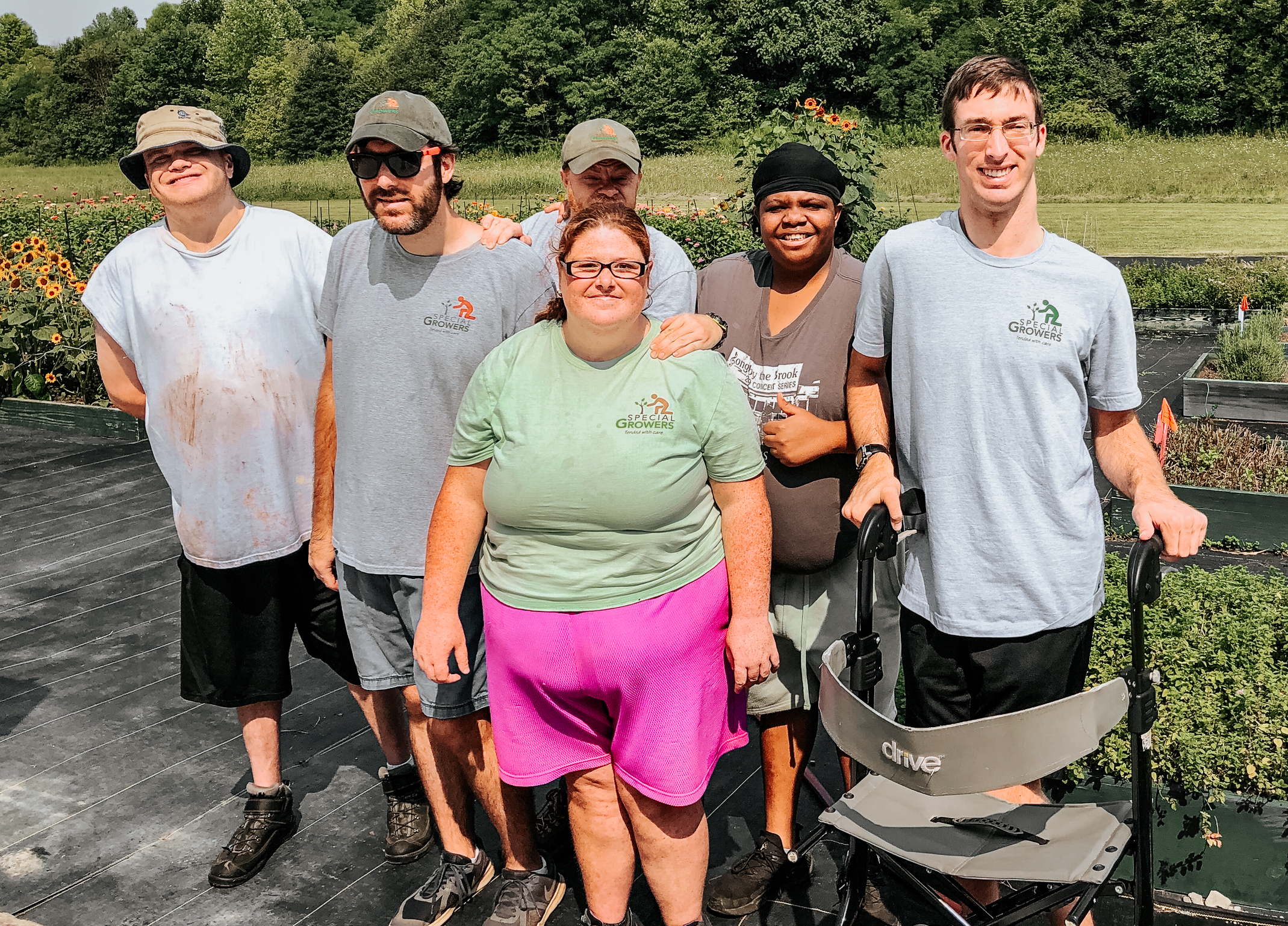
Hiring decisions shape more than a company’s workforce. They influence workplace culture, community impact, customer perception, and the opportunities available to people seeking meaningful employment. As businesses across the United States continue to prioritize diversity and inclusion, many employers are recognizing the value of hiring adults with disabilities.
Unfortunately, misconceptions about disability employment still exist. Some employers worry that accommodations will be expensive, that productivity may be lower, or that additional supervision will be required. In reality, many of these assumptions are outdated and do not reflect the strengths, capabilities, and contributions that adults with disabilities bring to the workplace.
Adults with disabilities represent a talented and often underutilized segment of the workforce. Given the right opportunities and support, they can become reliable, dedicated, and highly valued employees. For businesses facing labor shortages, high turnover, or challenges building a positive workplace culture, inclusive hiring practices can provide significant benefits.
This guide explores what employers should know about hiring adults with disabilities, including the advantages, common misconceptions, workplace considerations, and practical strategies for building a more inclusive workforce.
Understanding Disability Employment
Disability is a broad term that encompasses a wide range of physical, intellectual, developmental, sensory, and neurological conditions. Every individual is unique, and no two employees with disabilities will have the same strengths, needs, or work styles.
This is an important starting point for employers.
Rather than focusing on a diagnosis, successful employers focus on:
- Skills
- Abilities
- Strengths
- Interests
- Experience
- Job fit
Just as employers evaluate all candidates based on their qualifications and potential, adults with disabilities should be considered based on their ability to perform the essential functions of a position.
The goal is not to lower expectations but to create opportunities where individuals can succeed and contribute meaningfully.
Why Disability Employment Matters
Employment provides much more than income.
For adults with disabilities, meaningful work can create:
- Independence
- Confidence
- Purpose
- Social interaction
- Skill development
- Community involvement
- Greater quality of life
For many individuals, employment represents an opportunity to contribute, learn, and participate actively in society.
Employers who create inclusive opportunities help support these outcomes while strengthening their own organizations.
Workplaces that embrace disability inclusion often become stronger, more diverse, and more reflective of the communities they serve.
Common Myths About Hiring Adults With Disabilities
One of the biggest barriers to disability employment is misinformation.
Many employers have concerns that are based on assumptions rather than actual workplace experience.
Let's examine some of the most common myths.
Myth 1: Employees With Disabilities Are Less Productive
Research and employer experience consistently show that productivity varies by individual, not by disability status.
Many adults with disabilities are highly motivated employees who take pride in their work and demonstrate strong commitment to their responsibilities.
Success depends on:
- Proper job matching
- Effective training
- Clear expectations
- Supportive workplace culture
The same factors that contribute to success for any employee apply here as well.
Myth 2: Accommodations Are Too Expensive
Many employers assume accommodations require major investments.
In reality, numerous workplace accommodations cost little or nothing.
Examples may include:
- Adjusted schedules
- Written instructions
- Modified workstations
- Additional training support
- Flexible communication methods
Often, simple adjustments can significantly improve employee success without creating substantial costs.
Myth 3: Employees With Disabilities Require Constant Supervision
While some employees may benefit from additional support during onboarding, many become highly independent once they understand expectations and routines.
Like any employee, adults with disabilities thrive when they receive:
- Clear communication
- Consistent training
- Defined responsibilities
- Regular feedback
Many individuals develop strong routines and become dependable contributors to their teams.
Myth 4: Hiring Adults With Disabilities Increases Workplace Risk
Employers sometimes worry about safety or liability concerns.
However, employees with disabilities generally perform jobs successfully when properly trained and placed in roles that align with their skills and abilities.
Workplace safety standards should apply consistently to all employees.
Inclusive employers focus on matching individuals to appropriate roles and providing effective training rather than making assumptions about capability.
The Benefits of Hiring Adults With Disabilities
Employers who embrace inclusive hiring often discover benefits that extend far beyond filling open positions.
Increased Employee Loyalty
Many businesses report high levels of retention among employees with disabilities.
When individuals find workplaces where they feel respected, supported, and valued, they often develop strong loyalty to their employers.
High retention can help reduce:
- Recruitment costs
- Training expenses
- Turnover disruptions
For employers facing staffing challenges, this can be a significant advantage.
Strong Work Ethic
Many adults with disabilities demonstrate exceptional dedication and commitment to their work.
Employers frequently cite strengths such as:
- Reliability
- Consistency
- Punctuality
- Attention to detail
- Positive attitudes
- Commitment to quality
These qualities can contribute significantly to workplace success.
Improved Workplace Culture
Inclusive workplaces often foster stronger team environments.
When employees work alongside individuals from diverse backgrounds and experiences, organizations often experience:
- Greater empathy
- Improved teamwork
- Enhanced communication
- Increased respect among coworkers
Inclusion encourages employees to focus on collaboration and shared goals.
The result is often a more supportive and positive workplace culture.
Enhanced Reputation in the Community
Consumers increasingly support organizations that demonstrate meaningful commitment to diversity and inclusion.
Businesses that hire adults with disabilities often strengthen their reputation by showing that they value:
- Equal opportunity
- Community involvement
- Social responsibility
- Workforce inclusion
This positive reputation can benefit customer relationships, recruitment efforts, and community partnerships.
The Importance of Job Matching
One of the most important factors in successful disability employment is proper job matching.
Every employee performs best when their skills align with job responsibilities.
Employers should focus on identifying:
- Individual strengths
- Personal interests
- Existing skills
- Learning styles
- Workplace preferences
Rather than trying to fit a person into an unsuitable role, successful employers seek positions where employees can thrive.
Examples include:
- Administrative support
- Inventory management
- Gardening
- Hospitality
- Retail assistance
- Packaging
- Food service
- Customer support
- Maintenance
- Production work
The goal is to find opportunities that maximize strengths while supporting growth.
Creating an Inclusive Hiring Process
The hiring process itself can sometimes create unnecessary barriers.
Employers can improve accessibility by reviewing each step of their recruitment process.
Consider:
Job Descriptions
Use clear language that focuses on essential job duties.
Avoid unnecessary requirements that may discourage qualified applicants.
Application Process
Ensure applications are easy to complete and accessible.
Offer alternative formats if needed.
Interviews
Focus on skills and abilities rather than assumptions about disability.
Ask questions that help evaluate qualifications and job fit.
Candidate Evaluation
Evaluate applicants consistently based on their ability to perform job responsibilities.
Inclusive hiring begins long before an employee's first day of work.
Building a Supportive Onboarding Experience
The first few weeks of employment are important for every employee.
Adults with disabilities often benefit from onboarding processes that emphasize:
- Clear expectations
- Step-by-step training
- Consistent communication
- Visual instructions when appropriate
- Opportunities for questions
Employers should remember that effective onboarding benefits all employees, not just those with disabilities.
Strong training programs help improve performance, confidence, and retention across the workforce.
Communication Is Key
Successful workplaces rely on effective communication.
Employers can support employee success by providing:
- Clear instructions
- Constructive feedback
- Defined expectations
- Regular check-ins
- Positive reinforcement
Many workplace challenges stem from communication issues rather than disability-related concerns.
Taking time to ensure employees understand responsibilities and expectations helps everyone perform more effectively.
Workplace Accommodations: What Employers Need to Know
Accommodations are often simpler than employers expect.
An accommodation is simply an adjustment that helps an employee perform their job successfully.
Examples may include:
- Flexible scheduling
- Additional training time
- Written task lists
- Modified equipment
- Quiet workspaces
- Alternative communication methods
The purpose is to provide equal access to opportunities, not special treatment.
Employers who approach accommodations collaboratively often find solutions that are practical and beneficial for everyone involved.
Partnering With Community Organizations
Many employers do not realize that local nonprofits and vocational programs can provide valuable support throughout the hiring process.
Organizations focused on disability employment often help with:
- Candidate referrals
- Job coaching
- Skills assessments
- Workplace training
- Ongoing support
These partnerships can simplify recruitment while helping businesses connect with qualified candidates.
For employers interested in building more inclusive workplaces, collaborating with vocational training and employment readiness programs can be an excellent starting point.
The Value of Vocational Training Programs
Vocational programs help adults with disabilities develop practical skills and workplace experience before entering the workforce.
Many programs focus on:
- Teamwork
- Time management
- Communication
- Problem-solving
- Job-specific skills
Hands-on environments such as gardening, greenhouse operations, packaging, event preparation, and community programs often provide valuable opportunities for skill development.
Employers who partner with organizations offering vocational training programs for adults with disabilities can gain access to motivated individuals who have already developed workplace habits and practical experience.
Inclusion Benefits the Entire Workforce
One of the most overlooked aspects of disability employment is its impact on coworkers.
Inclusive workplaces often encourage employees to develop:
- Patience
- Empathy
- Leadership skills
- Communication skills
- Collaboration abilities
These qualities contribute to stronger workplace relationships and healthier organizational culture.
Employees frequently report positive experiences working alongside colleagues with disabilities because inclusion encourages greater understanding and respect among team members.
Industries That Benefit From Inclusive Hiring
Adults with disabilities successfully contribute across many industries.
Examples include:
Agriculture and Horticulture
- Plant care
- Harvesting
- Packaging
- Greenhouse operations
Retail
- Customer assistance
- Stocking
- Inventory support
Hospitality
- Food preparation
- Housekeeping
- Guest services
Manufacturing
- Assembly work
- Quality control
- Packaging
Administrative Support
- Filing
- Data entry
- Office organization
The key is identifying roles that align with individual strengths and interests.
Looking Beyond Limitations
One of the most important mindset shifts employers can make is focusing on ability rather than limitation.
Every employee brings unique strengths and challenges to the workplace.
Successful employers ask:
- What can this person contribute?
- What strengths do they bring?
- How can we help them succeed?
This strengths-based approach leads to better hiring decisions and more positive outcomes for everyone involved.
When employers focus on potential rather than assumptions, they often discover talented individuals who become valuable long-term employees.
The Future of Disability Employment
The workforce is evolving.
As businesses continue to prioritize diversity, equity, and inclusion, disability employment is becoming an increasingly important part of workforce development conversations.
Future trends will likely include:
- Expanded vocational training opportunities
- Greater employer education
- Increased community partnerships
- Improved workplace accessibility
- Broader recognition of disability talent
Organizations that embrace inclusive hiring today position themselves as leaders in workforce innovation and community engagement.
Conclusion
Hiring adults with disabilities is about much more than meeting diversity goals or filling open positions.
It is about recognizing talent, creating opportunity, and building workplaces where people of all abilities can contribute and succeed.
Employers who embrace disability inclusion often discover highly dedicated employees, stronger workplace culture, improved retention, and deeper community connections.
Success begins with understanding that every individual brings unique strengths, skills, and potential to the workplace. By focusing on ability, providing appropriate support, and creating inclusive environments, employers can unlock opportunities that benefit employees, businesses, and communities alike.
As more organizations recognize the value of disability employment, the future becomes brighter for adults with disabilities seeking meaningful careers and for employers seeking talented individuals who are ready to contribute, grow, and make a difference.