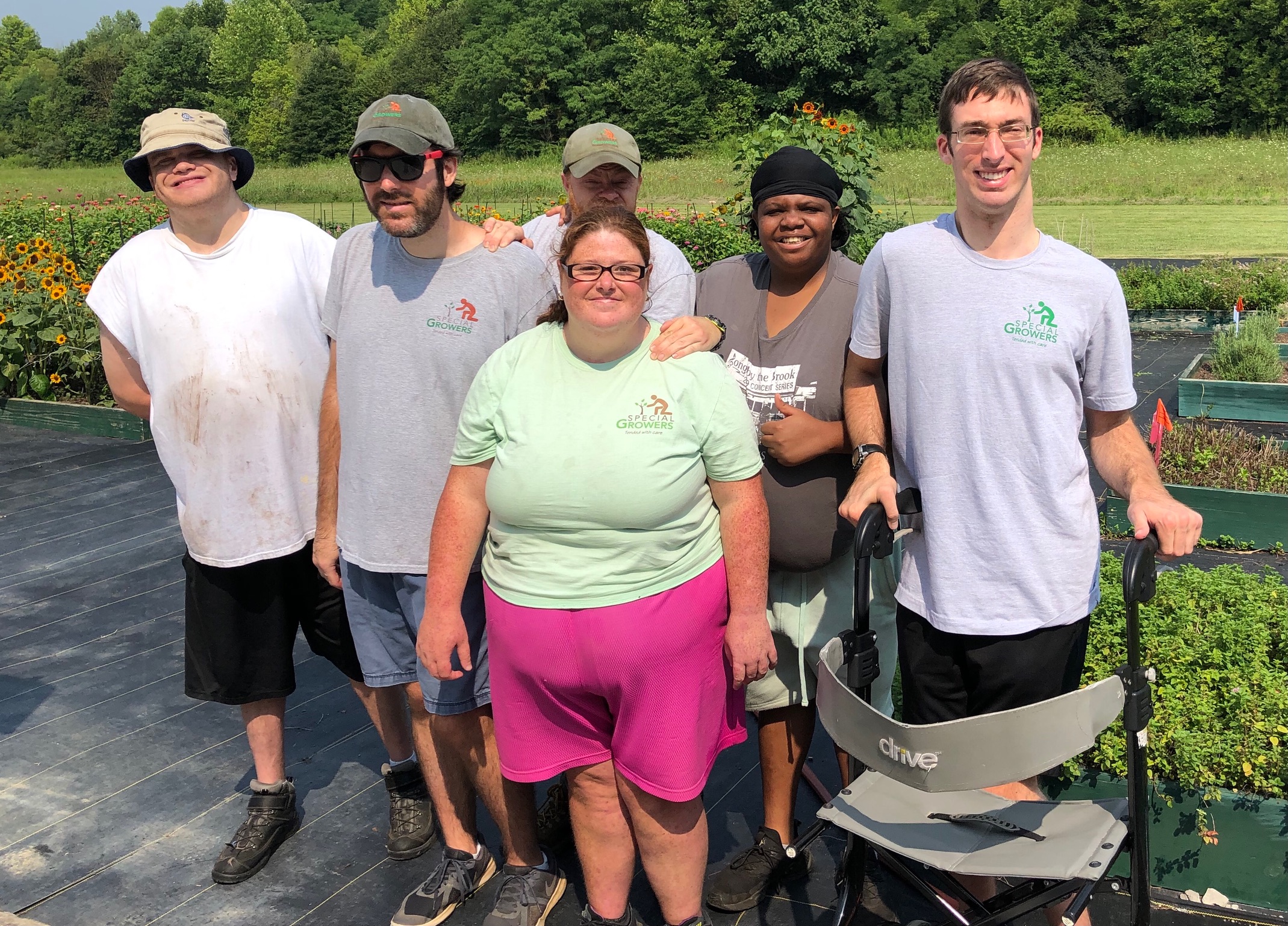
Vocational training is one of the most effective ways to help adults with disabilities build confidence, develop practical job skills, and experience the satisfaction of meaningful work. While vocational opportunities exist in many industries, gardening and greenhouse work offer unique advantages that combine hands-on learning, structured routines, teamwork, and personal growth. These environments create opportunities for participants to develop valuable workplace skills while working at a pace that encourages success.
For many special needs adults, traditional classroom instruction or fast-paced work environments may not provide the best learning experience. Gardening and greenhouse programs, on the other hand, allow individuals to learn through repetition, observation, and real-world tasks. Participants can see the direct results of their efforts as plants grow, flowers bloom, and gardens flourish, creating an immediate sense of accomplishment.
Across the United States, nonprofit organizations, community gardens, and horticultural vocational programs are helping adults with disabilities discover their abilities while preparing them for greater independence and future employment opportunities. This article explores why gardening and greenhouse work are powerful forms of vocational training, the skills participants develop, and the long-term benefits these programs provide for individuals, families, and communities.
What Is Vocational Training?
Vocational training focuses on teaching practical skills that prepare individuals for meaningful work and greater independence. Rather than emphasizing academic instruction alone, vocational programs provide hands-on experiences that mirror real workplace expectations.
For adults with disabilities, vocational training often includes opportunities to:
- Learn job-specific skills
- Develop workplace routines
- Practice communication
- Improve teamwork
- Build responsibility
- Increase confidence
- Strengthen independence
Successful vocational training programs recognize that every participant learns differently. By adapting instruction and providing supportive environments, these programs allow individuals to progress at their own pace while building skills that can be used throughout life.
Why Gardening Is an Ideal Vocational Training Environment
Gardening naturally combines structure, creativity, responsibility, and teamwork.
Unlike many work environments that require constant multitasking or rapid decision-making, gardening provides steady routines and clearly defined tasks that can be adjusted to meet each participant's abilities.
Participants may be involved in activities such as:
- Planting seeds
- Watering flowers
- Preparing soil
- Removing weeds
- Harvesting herbs
- Maintaining garden beds
- Caring for greenhouse plants
- Packaging plants for sale
Each activity teaches valuable workplace habits while providing visible results that reinforce learning.
Because gardening follows seasonal cycles, participants also experience a variety of new tasks throughout the year, keeping learning engaging and meaningful.
The Value of Greenhouse Work
Greenhouses offer additional vocational opportunities by creating controlled environments where participants can work year-round.
Inside a greenhouse, individuals may learn to:
- Monitor plant health
- Water plants consistently
- Organize growing spaces
- Transplant seedlings
- Label products
- Prepare orders
- Maintain cleanliness
- Track inventory
Greenhouse work encourages attention to detail and consistency while introducing participants to real production processes.
These environments also reduce weather-related interruptions, allowing vocational programs to provide stable training opportunities throughout every season.
Building Workplace Skills Through Gardening
One of the greatest strengths of gardening as vocational training is its ability to teach transferable workplace skills.
Although participants may be caring for plants, they are also developing abilities that apply to nearly every career.
Time Management
Gardening requires regular schedules.
Plants need consistent watering, pruning, fertilizing, and maintenance. Participants learn the importance of arriving on time, following schedules, and completing daily responsibilities.
These habits translate directly into future employment settings.
Responsibility
Living plants depend on proper care.
Participants quickly learn that their actions matter. Missing a watering schedule or forgetting a task has visible consequences, helping reinforce accountability in a supportive learning environment.
Following Instructions
Many gardening activities involve step-by-step processes.
Participants practice:
- Listening carefully
- Following directions
- Completing tasks in order
- Asking questions when clarification is needed
These communication skills are essential in every workplace.
Organization
Gardens and greenhouses require organized workspaces.
Participants learn how to:
- Store tools properly
- Label plants
- Maintain clean work areas
- Organize supplies
- Prepare materials efficiently
Organization improves productivity while encouraging independence.
Developing Communication Skills
Vocational training extends beyond physical tasks.
Throughout gardening and greenhouse activities, participants regularly communicate with:
- Supervisors
- Volunteers
- Coworkers
- Customers
- Visitors
These interactions help strengthen both verbal and nonverbal communication.
Participants learn to:
- Ask for assistance
- Provide updates
- Share observations
- Work collaboratively
- Build confidence during conversations
Improved communication often leads to greater success both inside and outside the workplace.
Encouraging Teamwork
Gardening is rarely an individual activity.
Most projects require participants to work together toward common goals.
Examples include:
- Preparing planting beds
- Harvesting crops
- Organizing products
- Maintaining greenhouses
- Completing community projects
Working alongside others teaches cooperation, patience, respect, and shared responsibility.
Participants learn that every contribution supports the success of the entire team.
These collaborative experiences prepare individuals for future work environments where teamwork is essential.
Building Confidence Through Visible Results
One of the most rewarding aspects of gardening is seeing the results of hard work.
Seeds become plants.
Flowers bloom.
Vegetables grow.
Herbs are harvested.
Participants experience firsthand that their efforts create meaningful outcomes.
This visible progress reinforces confidence and motivates individuals to continue learning.
Families often notice increased pride and enthusiasm as participants share their accomplishments and take ownership of their work.
Confidence gained through gardening frequently extends into other areas of daily life.
Supporting Independence
Independence develops through practice.
Gardening provides countless opportunities for participants to make decisions, complete tasks independently, and solve everyday challenges.
Examples include:
- Choosing appropriate tools
- Determining watering needs
- Identifying plant health concerns
- Organizing supplies
- Completing assignments without reminders
As participants gain experience, they often require less supervision while demonstrating greater initiative and responsibility.
These improvements contribute to long-term independence both at work and at home.
Creating Healthy Daily Routines
Routine is especially valuable for many adults with developmental and intellectual disabilities.
Gardening programs often follow structured daily schedules that include:
- Morning preparation
- Task assignments
- Break periods
- Team activities
- End-of-day cleanup
Consistent routines help participants feel secure while improving organization and time management.
Families frequently report that structured vocational programs positively influence routines at home as well.
Improving Physical Health
Gardening naturally encourages movement.
Participants may spend time:
- Walking
- Digging
- Planting
- Watering
- Carrying lightweight materials
- Stretching
- Working outdoors
These activities help improve flexibility, coordination, endurance, and overall physical wellness.
Unlike repetitive exercise programs, gardening provides purposeful movement connected to meaningful goals.
Participants remain active while accomplishing productive work.
Supporting Mental and Emotional Well-Being
Spending time around plants has been associated with numerous emotional benefits.
Gardening environments often promote:
- Reduced stress
- Improved mood
- Better focus
- Increased relaxation
- Greater emotional stability
Many participants find gardening calming and rewarding.
The peaceful nature of greenhouse and garden work allows individuals to focus on tasks while experiencing the therapeutic benefits of nature.
For adults with disabilities, these positive emotional experiences contribute to greater confidence and overall quality of life.
Teaching Adaptability
Every growing season presents new challenges.
Weather changes.
Plants mature.
New tasks emerge.
Participants learn to adapt while remaining flexible.
They may assist with:
- Seasonal planting
- Harvest preparation
- Greenhouse adjustments
- Product packaging
- Garden maintenance
These experiences help individuals become comfortable with change while developing valuable problem-solving skills.
Adaptability is an important quality that benefits participants throughout their lives.
Learning Customer Service Skills
Many nonprofit gardening programs sell plants, herbs, flowers, or handcrafted products to support their mission.
These opportunities allow participants to develop customer service experience.
Individuals may learn how to:
- Greet customers
- Answer simple questions
- Organize displays
- Prepare purchases
- Handle products carefully
Customer interaction builds confidence while strengthening communication and professionalism.
These experiences can prepare participants for future employment in retail, hospitality, or community service settings.
Connecting Vocational Training With Community Engagement
Gardening programs often become gathering places where volunteers, families, businesses, and community members work together.
Participants gain valuable experience interacting with people from different backgrounds while contributing to meaningful community projects.
These experiences help reduce social isolation and promote inclusion.
Community engagement demonstrates that adults with disabilities are valuable contributors whose work benefits everyone.
Preparing for Future Employment
Although not every participant pursues competitive employment, gardening and greenhouse work provide an excellent foundation for future job opportunities.
Participants develop transferable skills including:
- Reliability
- Communication
- Teamwork
- Task completion
- Attention to detail
- Time management
- Workplace safety
- Adaptability
These abilities are valuable in many industries beyond horticulture.
Vocational training helps participants build resumes, references, and practical experience that support future employment goals.
The Role of Families
Families are important partners throughout vocational training.
Parents and caregivers often notice positive changes after participants begin gardening programs.
Common improvements include:
- Greater confidence
- Increased independence
- Better communication
- Improved daily routines
- Stronger motivation
- Enhanced emotional well-being
Families also gain peace of mind knowing their loved ones are participating in meaningful activities that encourage long-term personal growth.
Celebrating achievements together strengthens family relationships and reinforces continued learning.
The Importance of Community Support
Community support plays a vital role in sustaining vocational gardening programs.
Volunteers help maintain gardens.
Businesses provide sponsorships.
Customers purchase locally grown products.
Community members attend fundraising events.
Every contribution helps create additional opportunities for adults with disabilities to develop skills and participate in meaningful work.
Organizations like Special Growers demonstrate how gardening and greenhouse work can become powerful tools for vocational training while bringing communities together around a shared mission. Through horticulture, volunteer involvement, locally grown products, and educational programs, these organizations help adults with disabilities build confidence, independence, and practical job skills that benefit them for years to come.
Long-Term Benefits of Gardening as Vocational Training
The impact of gardening extends far beyond learning how to grow plants.
Participants often experience lifelong improvements in:
- Self-confidence
- Workplace readiness
- Independence
- Social interaction
- Emotional resilience
- Physical wellness
- Communication skills
- Responsibility
- Community involvement
- Overall quality of life
These lasting outcomes make gardening one of the most effective vocational training environments available for adults with disabilities.
The skills developed in gardens and greenhouses continue benefiting participants throughout adulthood, supporting both personal and professional growth.
Conclusion
Gardening and greenhouse work offer far more than opportunities to grow flowers, herbs, or vegetables. They provide adults with disabilities a supportive environment where they can learn practical workplace skills, develop independence, strengthen communication, and experience the pride that comes from meaningful contributions.
Through structured routines, teamwork, hands-on learning, and visible accomplishments, vocational gardening programs empower participants to reach their full potential while building brighter futures. Families gain confidence, communities become more inclusive, and individuals discover abilities they may never have realized they possessed.
As more organizations invest in community-based horticulture and vocational training, they create lasting opportunities that extend well beyond the garden. They cultivate confidence, independence, purpose, and belonging—helping adults with disabilities thrive both in the workplace and throughout their lives.